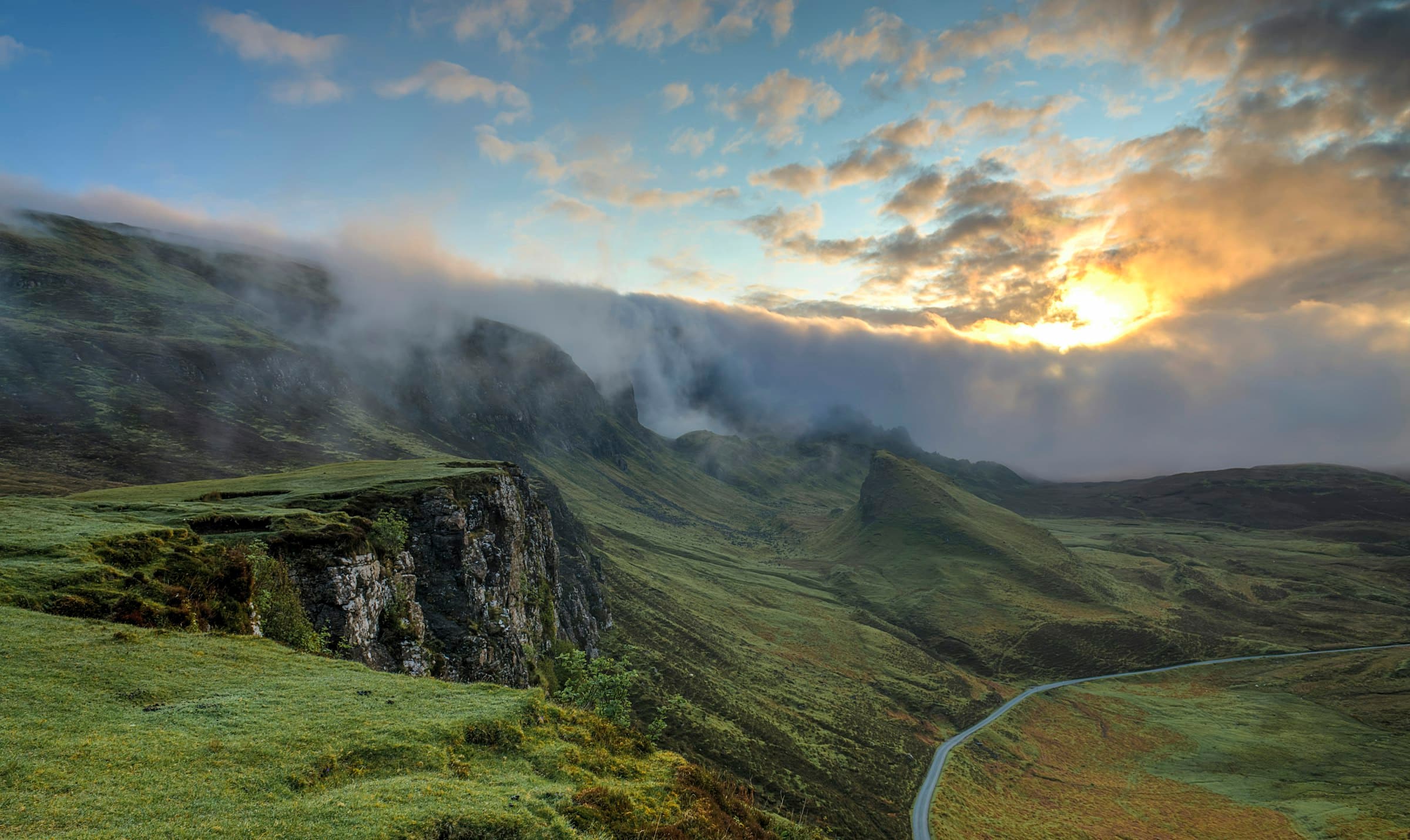
Every photographer falls in love with golden hour, and every photographer eventually learns its cruel secret: it is not an hour. Depending on your latitude and season, the truly magical window can be as short as twenty minutes — which means the difference between a good golden hour shoot and a great one is almost entirely preparation.
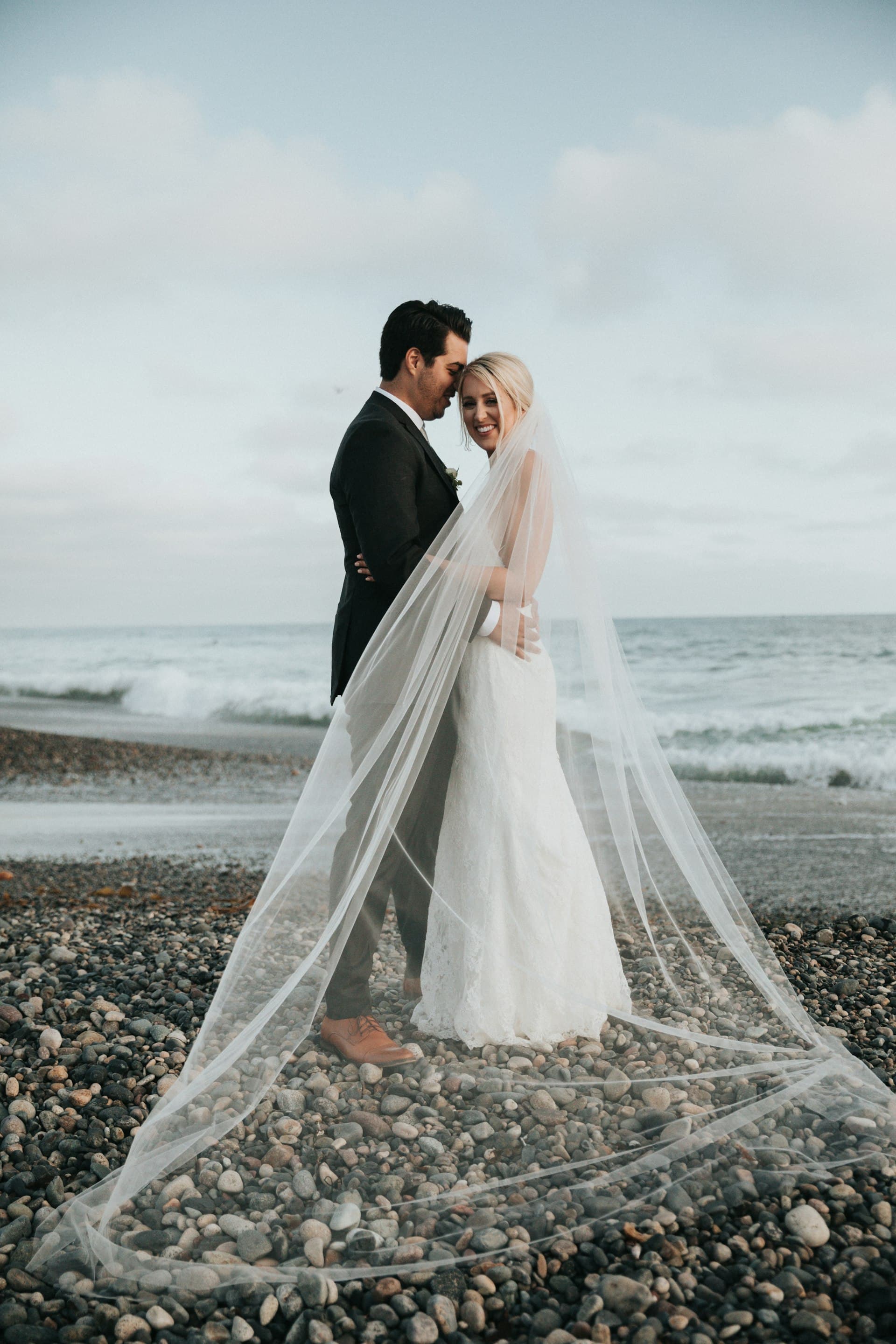
I plan backwards from sunset. If the sun drops at 7:42, my subject is in position, lit and relaxed by 6:50 at the latest. The first half of the window gives you warm, directional light with manageable contrast — perfect for portraits. The final fifteen minutes give you rim light, long shadows and that impossible amber glow, but they punish slow decision-making.
Metering is where most golden hour images die. Expose for the highlights on skin and let the background fall where it wants to — modern sensors hold shadow detail beautifully, but blown highlights at sunset are gone forever. I shoot a stop underexposed from what the meter suggests and lift in post.
Finally: keep moving. The light changes meaningfully every ninety seconds during the last stretch, which means the same pose against the same backdrop is effectively a new photograph. Work in short bursts, reposition often, and don't stop when the sun disappears — the ten minutes after sunset are the most underrated light in photography.

Elena Marlowe
Fine Art & Editorial Photographer